Natural world
Neuroscientists tell us that we make up the world we think we experience from memories and ‘best guesses’ based on past experience. Just as a memory that is often recalled becomes a memory of a memory rather than an event, the world we think we experience is largely composed of memories rather than direct contact with ‘reality’.
This aligns with Buddhist ideas about the illusionary nature of ‘self’ and ‘reality’.
In social interactions we can be especially aware of ‘constructs’: I present myself in a particular way in a particular context, and so do the people I meet in that context, so how much do we see or know of each other?
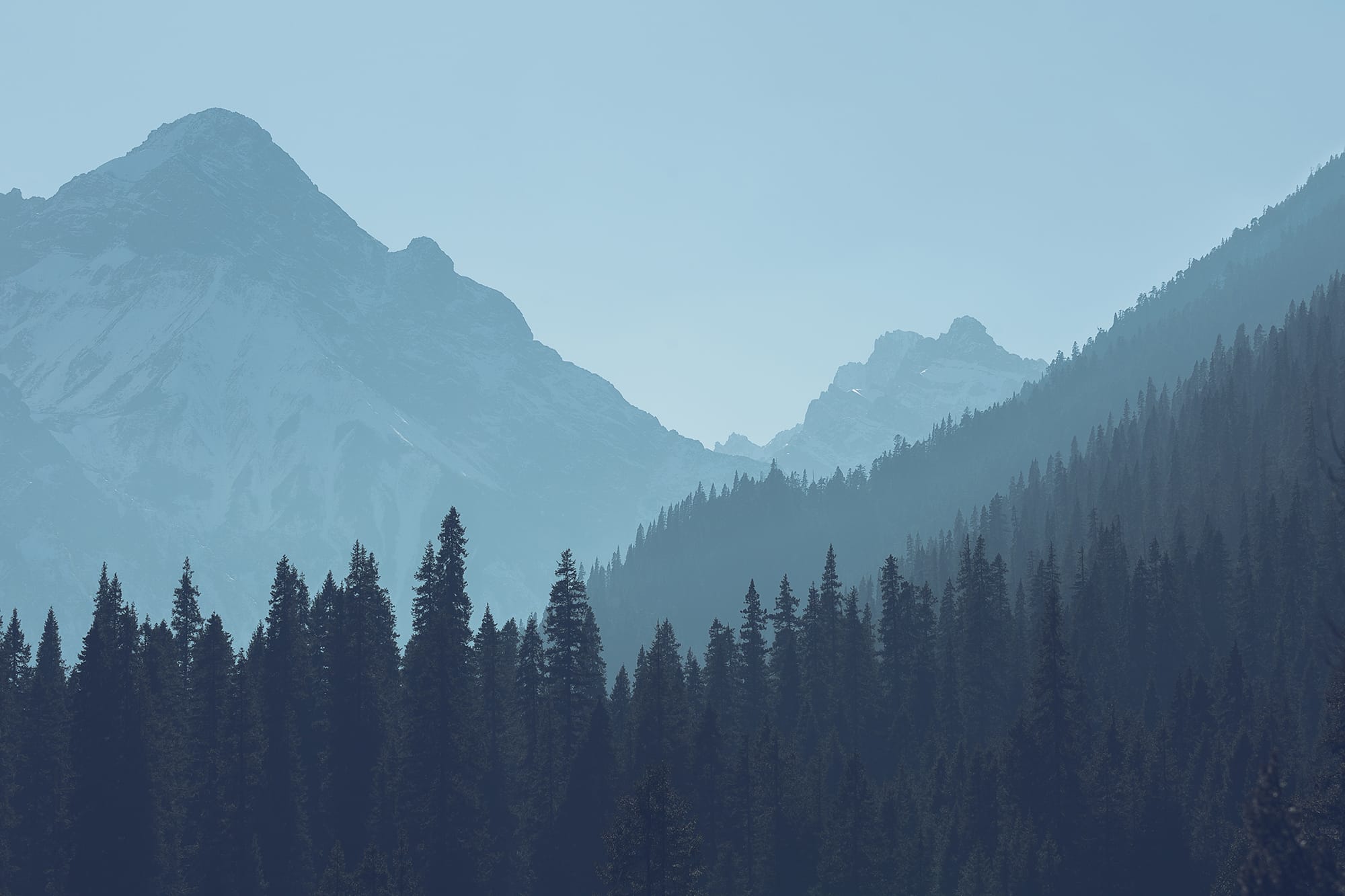
This is why I love the natural world. Not because I believe I am more in contact with reality, but because there’s less in the way of making contact. To make deep contact with another human, I need to go way beyond social boundaries. Perhaps the best way to really know someone is to sit and gaze silently into their eyes. How many are up for that?
But I can do something like that in the natural world if I try. As I become aware of my thoughts, they gradually fade and my experience of texture, shape, colour, sound, scent, movement becomes more intense. At times there is nothing else, as when I lie by a stream and close my eyes and all there is is the voice-music of the running water.
I find being full of sensation like that satisfying in itself. It’s akin to skinny dipping in a mountain stream. It embodies me, links all my thought and feeling with sensation so that I refute Descartes and dualism and simply am. In this I am like an animal, and in this state I find I am aware of animals and they of me: bodily.
Images, metaphors and elements of poems arise out of this kind of experience, rarely at the time but usually afterwards. And I know from what other poets have written that they have also drunk from this silver spring.
 Chris Gilchrist